|
Libby Volunteer Fire Department member training includes comprehensive classroom instruction along with hands-on training, emergency medical rescue, and vehicle extrication exercises. On a regular basis, we conduct training nights to not only maintain proficiency in fireground basics, but to enhance emergency response planning and to reinforce team communication as well. These sessions allow our firefighters to sharpen their technical skills, improve preparedness, address areas of weakness, and put new tools and equipment to use.
Having a balanced, blended training program is vital to our success as a department. Along with equipping the LVFD firefighters with the necessary skills needed to handle real–world emergencies, our structured program ensures that our firefighters are confident in their decisions and are prepared to act decisively in high–stress, dangerous situations.
|
Railroad Hazmat Response Training
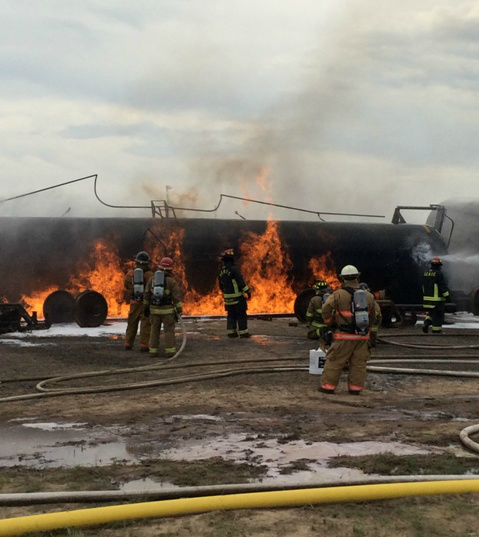
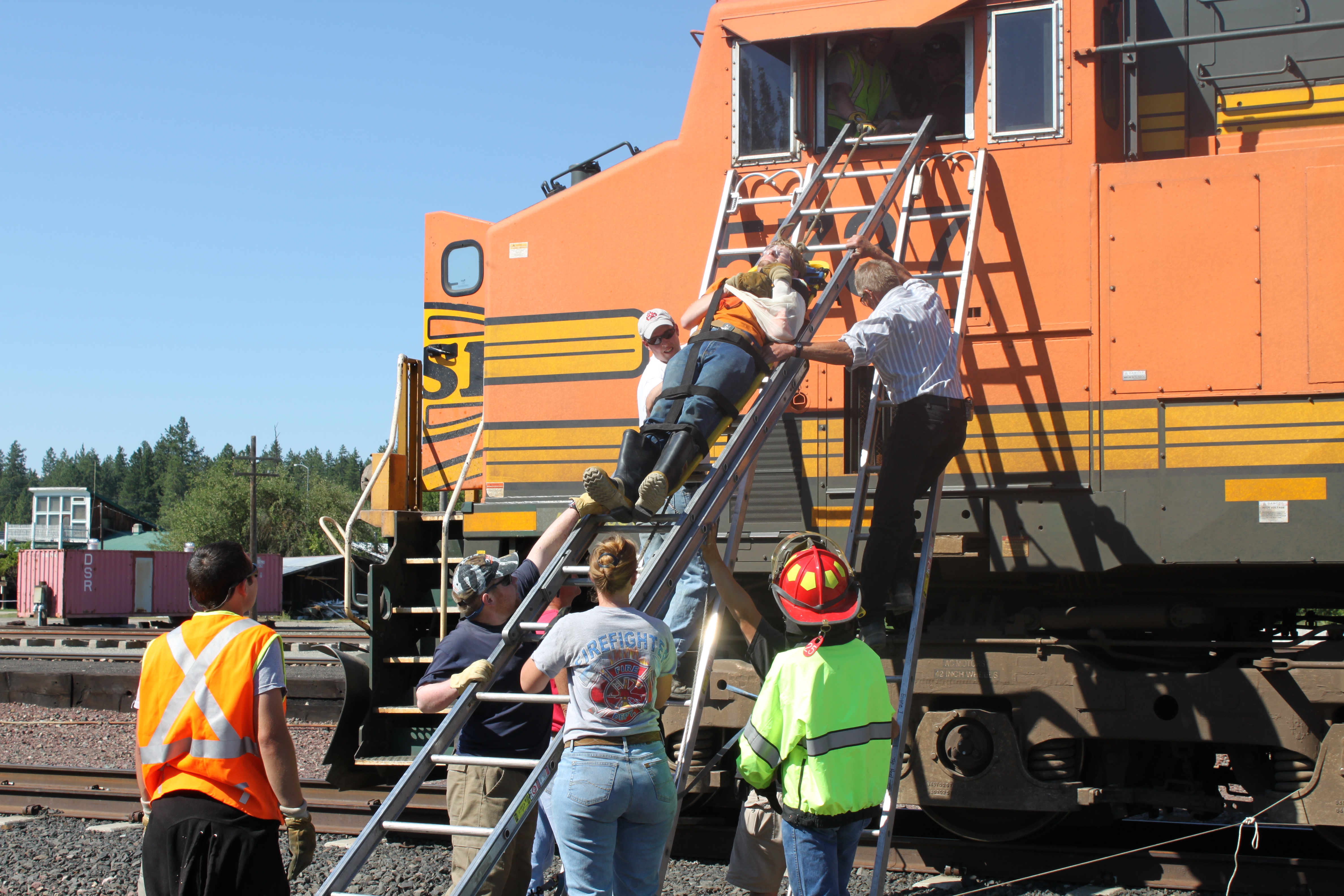
This program, developed and funded by Burlington Northern Santa Fe, is the company’s response to the rising safety concerns in light of increased volumes of the transportation of hazardous materials via our nation’s railroad system. Because Libby acts as a major through–station for the BNSF railroad, our downtown train depot serves as a vital corridor for shipping a wide range of dangerous goods including flammable liquids, gases, corrosive materials, and toxic substances. In order to ensure safe and effective response to railroad incidents, BNSF provides specialized hazmat training to our local emergency responders and volunteer firefighters.
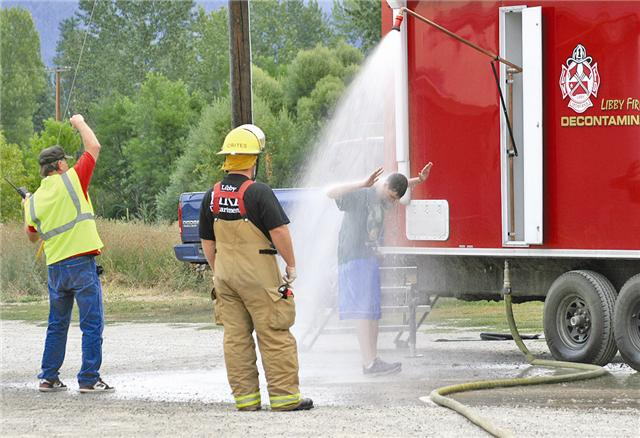
During simulated exercises, fire departments, law enforcement, and emergency management teams have the opportunity to train with hazardous materials specialists who provide essential instruction on pre–incident planning and preparedness strategies. This includes an overview of the different types of hazardous material being transported; tank car design and construction; rail–specific safety rules; and most importantly, incident site and damage assessment to minimize the catastrophic impact of a derailment. The training sessions also emphasize the use of specialized protective equipment ensuring that responders can safely navigate contaminated environments in order to mitigate risks of toxic exposure.
|
|
|
|
Live Fire Training
When opportunities arise, the Libby Volunteer Fire Department utilizes abandoned structures to provide fire personnel with hands–on, fireground experience in a safe and controlled environment. Furthermore, our volunteers are able to gain additional experience by performing fire attack drills, managing hose lines, and improving search and rescue techniques. However, because this type of scenario is generally limited by the availability of resources and requires significant planning, we are fortunate to be able to practice this type of exercise one to two times annually.
|
|
|
|
Specialty Training Exercises
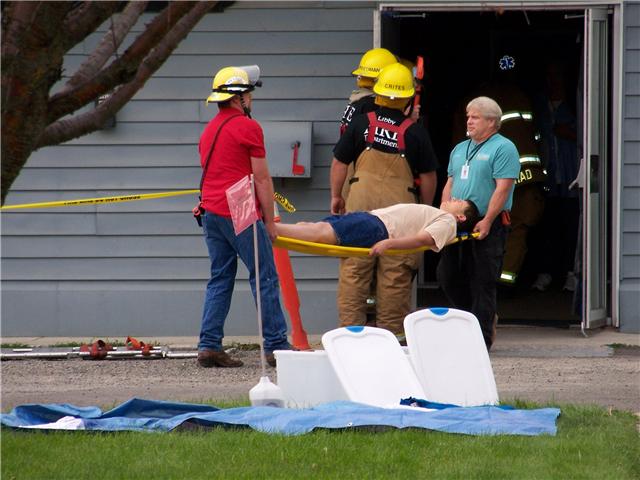
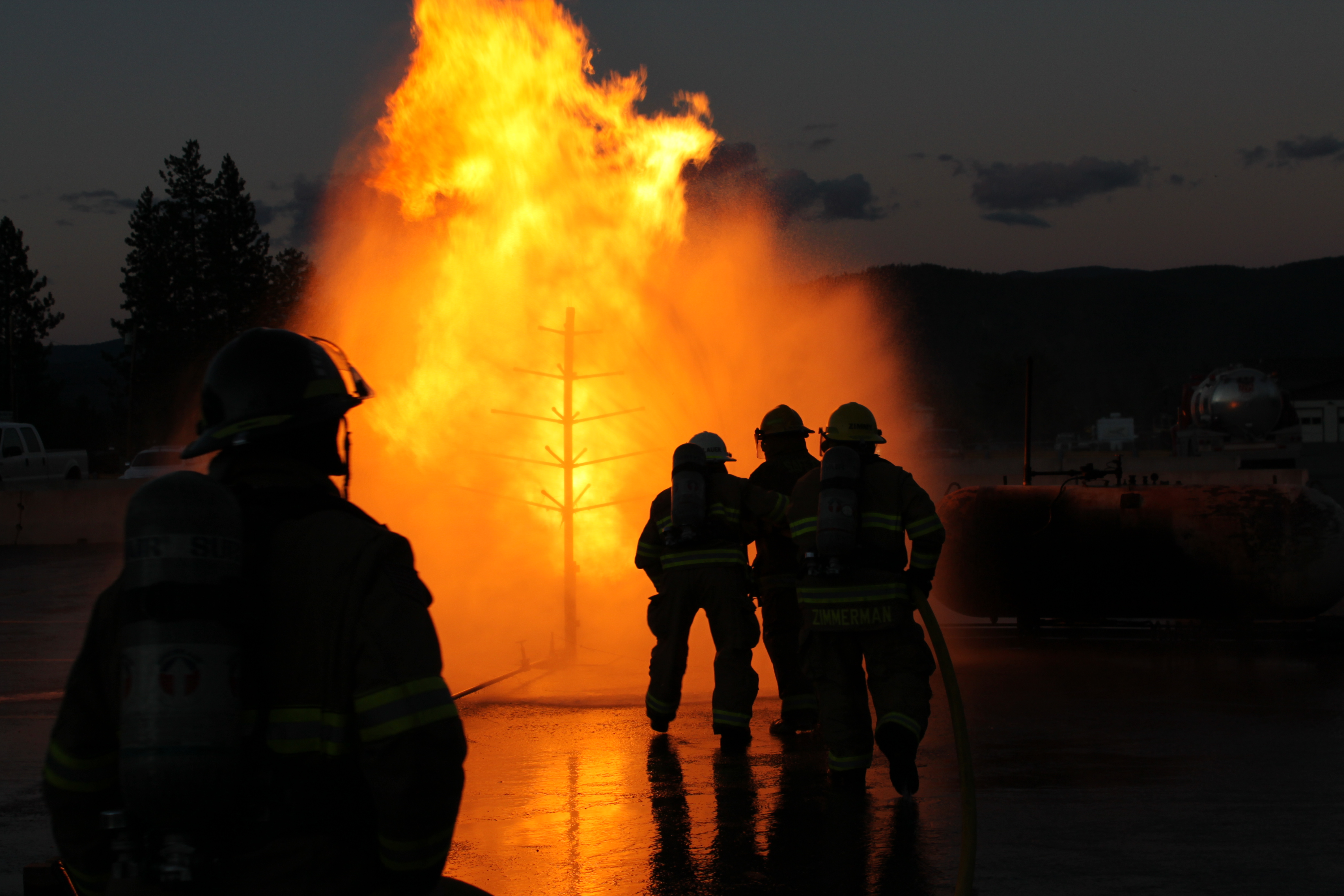
The Libby Volunteer Firefighters have the opportunity to train with various organizations and select groups of our community to conduct specialty training drills based on real–life rescue scenarios. Each incident—from a mass casualty event to a propane emergency to a hazmat situation—provides participants with the opportunity to improve their skills, enhance teamwork, and to ensure cohesive emergency responses.
|
|
|
|
Vehicle Extrication Training
Routine hands–on vehicle extrication exercises are an especially important part of our training program at the Libby Volunteer Fire Department. With the use of donated vehicles that serve as training props, our volunteers have the opportunity to practice the safest, most efficient techniques needed for the immediate extrication of auto accident victims. The topics introduced in this type of training typically focus on scene safety and stabilization; extrication tools and techniques; and patient assessment and care.
|
|
|
|
.jpg)
.jpg)
.jpg)
.jpg)
.jpg)
.JPG)
.JPG)
.JPG)